Discover crash games – the fastest-growing gaming trend. Learn mechanics, variants, platforms, and safety tips in our expert guide.

What Are Crash Games? A Complete Beginner’s Guide to the Fastest-Growing Gaming Trend

Gaming just got simpler.
Welcome to the definitive guide to crash games — the phenomenon that’s reshaping online entertainment across Africa and beyond. This guide covers everything from basic crash game mechanics to advanced timing strategies, platform selection, and responsible play principles. Whether you’re curious adults aged 25-45 seeking entertainment options or complete newcomers to gaming looking to understand this trend, you’ll find practical insights backed by industry data.
We’ve structured this guide to progress from fundamentals to sophisticated techniques. Each section stands alone, so you can jump to specific topics or read straight through for complete mastery.
What Are Crash Games and How Did They Explode?
Crash games represent a new category of instant-play entertainment built around a simple premise: watch a multiplier climb from 1.00x upward while deciding when to cash out before it crashes to zero.
The concept emerged in 2014 with early Bitcoin gaming platforms, but exploded globally around 2019-2020. South African players embraced crash games particularly enthusiastically — data from major platforms shows a 340% increase in crash game sessions across African markets between 2021 and 2023.
Think of it like catching a taxi in Lagos during rush hour. The longer you wait, the better your chances of finding one with air conditioning — but wait too long, and you might not get a ride at all.
Core Crash Game Mechanics Explained
How do crash games work at their technical foundation? The mechanics center on three elements: multiplier progression, crash point determination, and player decision timing.
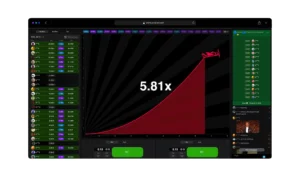
Every round begins with a multiplier starting at 1.00x. This multiplier increases exponentially — not linearly — creating the psychological tension that defines crash gaming. Most games use a curve algorithm where early multipliers rise slowly (1.00x to 2.00x might take 3-4 seconds) while later stages accelerate dramatically (8.00x to 16.00x in under 2 seconds).
The crash point gets determined by a random number generator before each round starts, though players can’t see this value. Modern platforms use provably fair algorithms, meaning you can verify the randomness after each game concludes.
Players must cash out before the crash occurs. Miss the timing by even milliseconds, and your entire stake disappears. This creates the core tension that makes crash games simultaneously thrilling and risky.
Popular Crash Game Variants You Should Know
Several distinct crash game styles have evolved, each with unique characteristics that appeal to different player preferences.
Aviator leads the market with its airplane theme and smooth multiplier curves. The Aviator Game typically sees crashes between 1.00x-10.00x roughly 80% of the time, with occasional runs reaching 100x or higher. Its popularity stems from predictable mechanics and clear visual feedback.
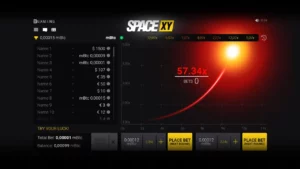
Spaceman offers similar mechanics but with a space exploration theme and slightly different multiplier progressions. It tends to have more frequent mid-range crashes (2.00x-5.00x) compared to Aviator’s distribution.
Crash variants from different providers often feature unique visual elements — rockets, cars, financial charts — but the underlying mathematics remain consistent. The key differences lie in multiplier curves, crash frequency distributions, and maximum potential multipliers.
Finding Safe and Reliable Gaming Platforms
Platform selection requires careful evaluation, especially given the regulatory landscape across African markets.
Licensed operators display clear regulatory information — look for licenses from authorities like the Western Cape Gambling and Racing Board for South African players, or international licenses from Malta Gaming Authority or Curacao eGaming. Unlicensed platforms pose significant risks including frozen withdrawals and compromised personal data.
Technical reliability matters enormously in crash games where milliseconds determine outcomes. Test platforms during peak hours (typically 7-10 PM local time) to assess connection stability. Lag or disconnections during active rounds almost always result in lost stakes.
Payment methods tell you much about platform legitimacy. Established operators support multiple local options — EFT transfers for South African players, mobile money solutions like M-Pesa, and major card networks. Be wary of platforms accepting only cryptocurrency or unfamiliar payment processors.
The Psychology Behind Timing and Risk Management
Understanding crash game psychology helps explain why people researching what crash games are before trying them often become regular players.
The “near miss” effect operates powerfully in crash games. When you cash out at 2.50x and watch the multiplier reach 8.00x, your brain interprets this as “almost winning big” rather than “successfully avoiding loss.” This cognitive bias drives continued play and increasingly aggressive timing decisions.
Successful players develop systematic approaches rather than relying on instinct. Some use fixed cash-out points (always exit at 2.00x), while others employ dynamic strategies based on recent crash patterns. However, remember that each round remains statistically independent — past crashes don’t predict future outcomes.
The exponential multiplier curve creates time pressure that impairs decision-making. At 5.00x, you have maybe 1-2 seconds before potential crash. This compressed decision window often leads to panic choices rather than rational evaluation.
Advanced Strategies and Timing Techniques
Experienced players employ several sophisticated approaches to crash game timing, though none guarantee profits.
Martingale adaptations involve doubling stakes after losses while maintaining consistent cash-out points. This requires substantial bankrolls and carries extreme risk during losing streaks. A sequence of five crashes below your target multiplier can wipe out significant funds.
Pattern recognition attempts to identify crash tendencies — some players track sequences of low crashes (under 2.00x) expecting higher multipliers to follow. While mathematically questionable, pattern tracking can provide psychological comfort and structured decision-making frameworks.
Bankroll percentage strategies limit individual round stakes to fixed percentages of available funds (typically 1-5%). This approach extends playing time and reduces catastrophic loss risk, though it also limits potential gains.
Why do these strategies persist despite random outcomes? They provide structure and control feelings in an inherently unpredictable environment.
 Critical Safety Warnings and Responsible Gaming
Crash games carry significant addiction risks due to their rapid-fire nature and intermittent reinforcement patterns.
The average crash game round lasts 30-60 seconds, enabling hundreds of sessions per hour. This speed can quickly lead to chasing losses or riding winning streaks beyond reasonable limits. Set strict time and money limits before starting any session.
Warning signs include thinking about crash games during other activities, borrowing money for gaming sessions, or feeling anxiety when unable to play. South African players can contact the National Responsible Gambling Programme (0800 006 008) for confidential support.
Never view crash games as income sources or investment opportunities. The mathematics ensure long-term losses for virtually all players. Treat stakes as entertainment expenses — money you can afford to lose completely.
Quick Reference Summary for New Players
Essential Knowledge:
- Multipliers start at 1.00x and climb until random crash points
- Cash out before crashes to secure wins
- Each round is statistically independent
- House edges typically range from 3-5%
Platform Selection:
- Verify regulatory licenses and local compliance
- Test connection stability during peak hours
- Confirm multiple withdrawal options
- Read terms for bonus restrictions and wagering requirements
Safety Priorities:
- Set loss limits before every session
- Never chase losses with larger stakes
- Take regular breaks during extended play
- Seek help if gaming affects other life areas
Frequently Asked Questions
How do crash games determine when to crash?
Crash games use random number generators to determine crash points before each round begins. Most platforms use provably fair algorithms that allow players to verify the randomness after rounds complete. The timing appears random because the predetermined crash point isn’t revealed until it occurs.
Can you predict crash game outcomes using patterns?
No, crash game outcomes are statistically independent, meaning previous results don’t influence future crashes. While players often perceive patterns in sequences of crashes, these are coincidental rather than predictive. Each round has the same probability distribution regardless of recent history.
What happens if my internet disconnects during a crash game round?
Most legitimate platforms have auto-cashout features that activate if you disconnect during active rounds. However, if you haven’t set an auto-cashout point or the disconnection occurs after the crash, you’ll lose your stake. Always set auto-cashout limits as a safety measure.
Are crash games legal in African countries?
Crash game legality varies by country and specific platform licensing. South Africa allows licensed operators under provincial gambling laws, while some other African nations have more restrictive approaches. Always verify local regulations and only use licensed platforms that comply with your jurisdiction’s requirements.

Daniel Mbeki is an experienced gambling writer and betting analyst with a strong focus on African online casinos and sports betting platforms. He covers betting tips, bookmaker reviews, casino bonuses, and responsible gambling trends across Africa. With years of industry knowledge, Daniel helps players make smarter betting decisions and stay updated with the latest gaming opportunities.












Independent casino game and operator reviews — real RTP data, honest mechanics breakdowns and bonus details, verified wherever we could confirm them. 18+. Gamble responsibly.